What Your Day Actually Looks Like Living on the Costa del Sol
What Your Day Actually Looks Like Living on the Costa del Sol
Most people picture the big parts first.
Weather. Beaches. Restaurants. Maybe walking along the promenade in the evening.
What they usually can’t picture properly is a Tuesday in February.
That’s normally the point where hesitation starts. People can imagine a holiday here very easily. What’s harder is understanding what an ordinary week actually feels like once the novelty has gone.
The reality is much less dramatic than people expect.
Your day becomes surprisingly normal quite quickly, just with less pressure built into it.
The morning changes first.
Light comes in earlier and stronger, so people naturally start their day earlier without forcing it. Even people who were never “morning people” often end up awake earlier here because the day feels easier to start.
You notice this especially in winter.
Back home, winter mornings usually begin in darkness. Inside lighting, heating on, trying to wake yourself up properly before work. Here, even colder winter mornings still usually involve daylight, open shutters, and people outside already moving around.
That changes the mood of the day before it has even started.
A lot of people work remotely now, and one thing that comes up repeatedly is how differently they structure work once they settle here.
The work itself often stays the same.
The way they move around it changes.
People stop treating the day as one long block where everything has to be completed before they can relax. They go for coffee mid-morning. Walk before calls. Gym in the afternoon. Quick supermarket trip between tasks.
You end up outside more without planning it.
That line comes up constantly in conversations from people who have lived here a while because it’s true in ways they didn’t expect. You don’t organise your whole week around getting fresh air or “making the most of the weather”. It just becomes part of how the day functions.
Even small errands feel different.
Not exciting. Just easier.
Going to buy bread or pick something up doesn’t feel like another task added onto an already overloaded day. People walk more slowly. They stop for coffee without scheduling it. Conversations last longer than expected.
That takes adjustment at first.
Especially for people arriving from places where everything runs on tighter time pressure. You see frustration from some people early on because things don’t move at the same pace they are used to.
Deliveries take longer. Appointments drift. Administrative things can feel unclear or repetitive.
People who adapt well usually stop fighting that structure quite early.
The social side changes too.
Back home, social life is often heavily planned. You arrange something two weeks ahead because everyone is busy and schedules are full.
Here, it becomes more last minute.
People message in the afternoon and meet that evening. Coffee turns into dinner. A quick walk becomes sitting somewhere for two hours. There’s less separation between “daily life” and “social life”.
That surprises people more than the weather does.
You also notice that people use public space differently.
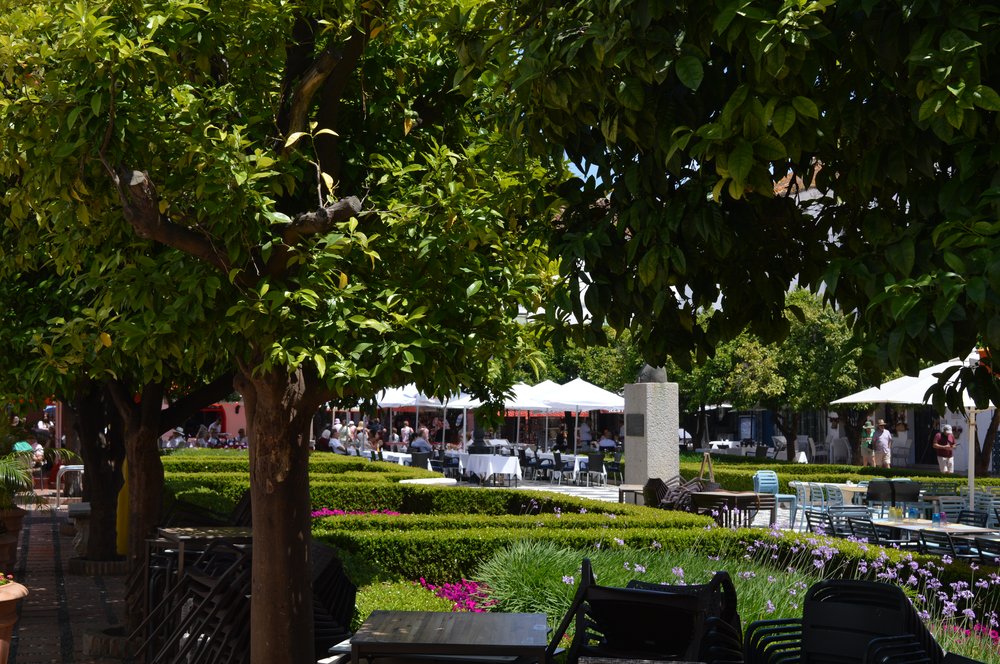
Parks, terraces, promenades, beach paths, outdoor cafés. They are used constantly, including on ordinary weekdays. Not for special occasions, just because people spend less time sealed indoors.
Children stay outside later.
Older people sit in squares talking for long periods without appearing in a rush to be anywhere else.
That starts affecting your own pace whether you intend it to or not.
There’s also a point where people realise they are using their home differently.
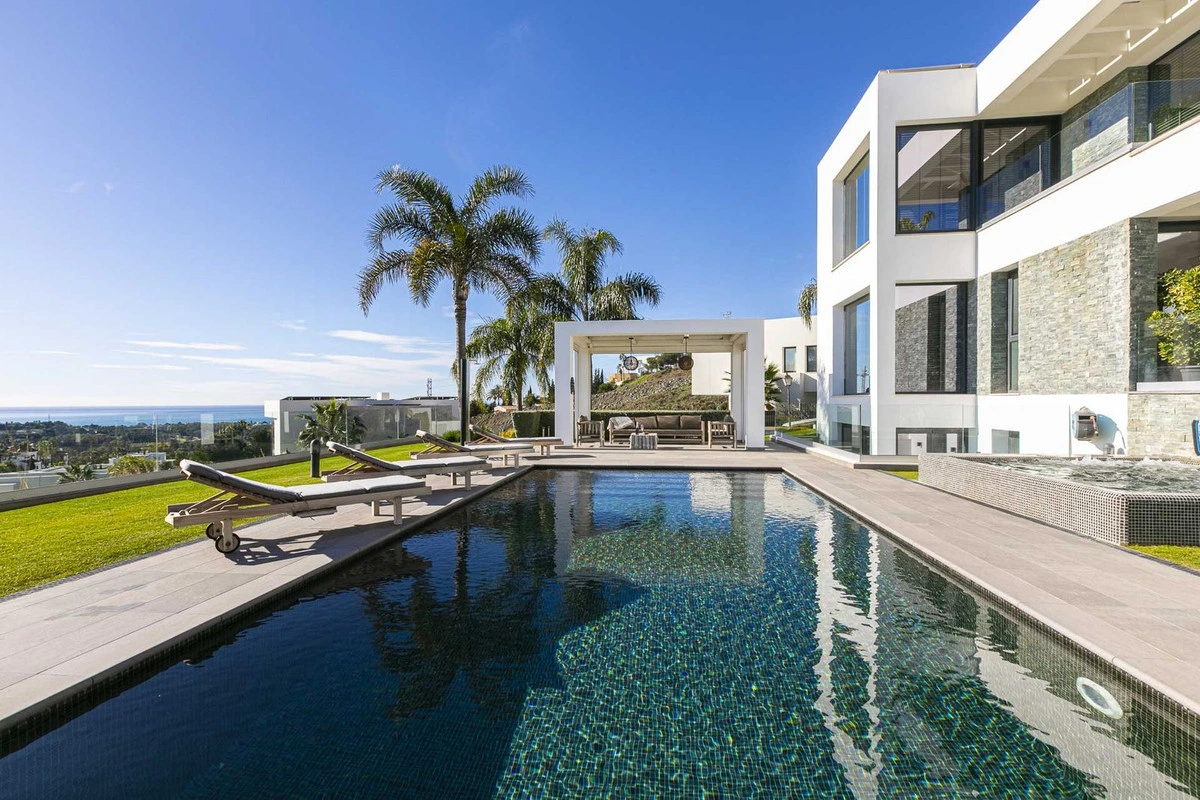
Terraces become part of the house, not an extra feature. Outdoor dining stops feeling occasional. Windows stay open more. You stop moving between “inside life” and “outside life” in the same rigid way.
A lot of buyers underestimate how much this changes daily routine over time.
The beach itself becomes less important than people expect.
That surprises almost everyone.
At first, proximity to the beach feels like the biggest lifestyle upgrade possible. Then after a while, it becomes background. Some people barely go during summer because it’s too busy. Others use it mostly in winter or early mornings when it’s quieter.
The things that matter long-term are usually smaller.
Walkability. Sunlight. Outdoor space. Whether the area still feels alive in winter. Whether you can build a repeatable routine there instead of constantly searching for stimulation.
That’s normally the point where people start comparing their current life properly against this one.
Not against the beaches or the weather.
Against the structure of their actual day.
How rushed it feels. How much time is spent indoors. How often they see friends. How difficult ordinary life has started to feel.
Because once people can picture a normal Tuesday here, the idea stops feeling abstract.
That’s when the comparison becomes difficult to ignore.