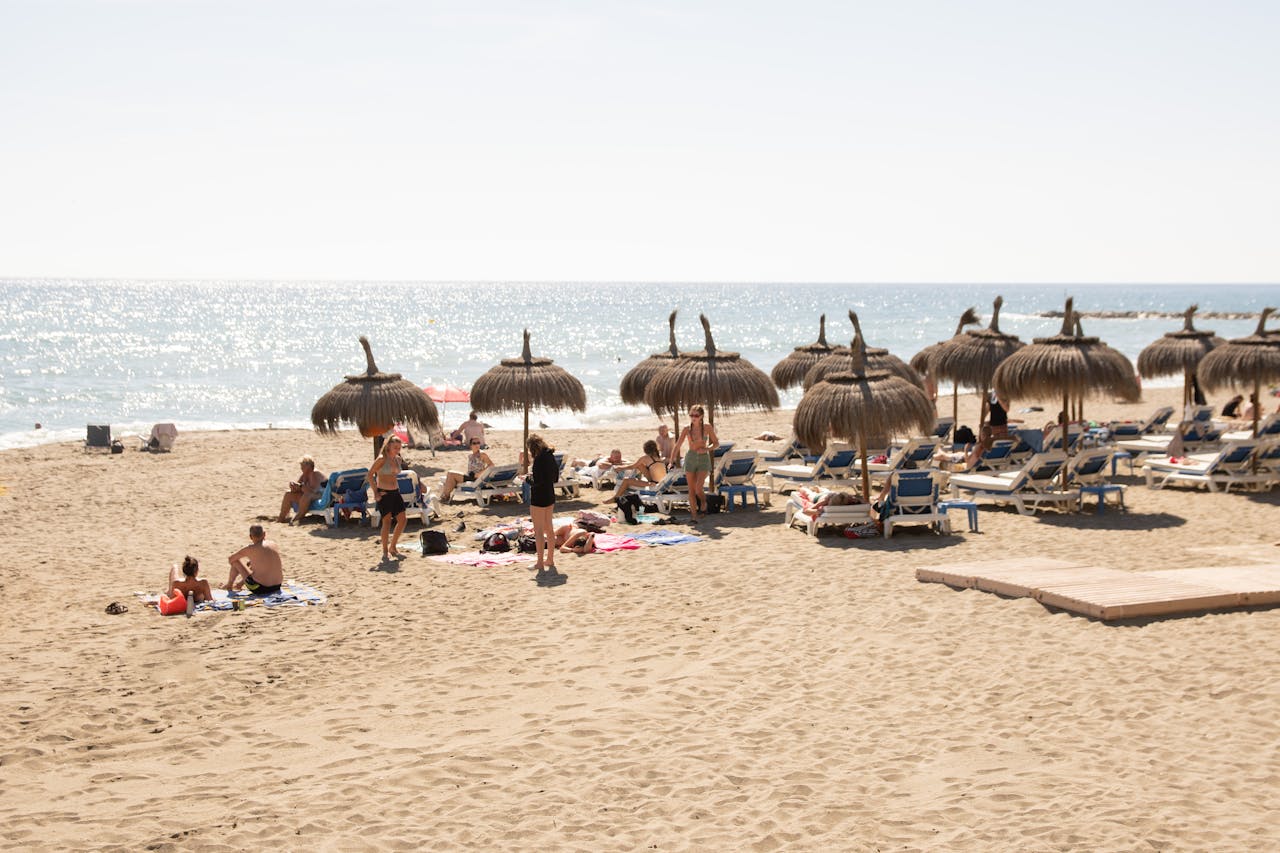
You think it’s going to feel like a holiday that never ends.
That’s usually the starting point. Better weather, more time outside, slower days. It sits in your head as an upgrade on what you already have, just with sun added to it.
That part fades quite quickly.
Not because it disappoints, but because it stops feeling temporary. You stop noticing it in that way. It just becomes how your day works.
You don’t really force yourself up in the same way. The light is different, so you end up waking earlier without planning to. People mention this a lot without even realising they’re saying something important. It’s not that they’ve changed their routine on purpose, it just happens.
Coffee moves outside almost immediately.
Not as a lifestyle decision, just because it feels odd to sit inside when you don’t need to. Even people who never had that habit before end up doing it daily. You’ll hear it said in simple ways like “we use the terrace more than the living room” and it’s not meant as a big statement, it’s just what happens over time.
The day doesn’t run in one continuous block like it does in the rest of Europe.
You go out, come back, go out again. Things aren’t compressed into one window. Errands don’t feel like something you have to get through. You might leave the house two or three times without thinking about it.
People expect to be outside constantly, but that’s not how it works. Around midday, especially in the warmer months, things stop. It’s too direct, too hot. Shutters come down, people go inside, and the pace drops right off.
That pause is something most people don’t expect.
You hear it a lot after a few weeks. “We thought we’d be out all the time, but we’re not.” It’s not a negative, it’s just a different structure to the day. You end up doing things at the right times instead of forcing them into a schedule.
That’s when people go out properly. Walks, gym, meeting people, heading into town. Evenings run later without planning to. You don’t watch the clock in the same way.
The bigger adjustment isn’t the weather or the pace, it’s repetition.
People arrive expecting variety. Different places, new experiences, constant movement. What actually happens is you fall into a pattern.
Same café. Same route. Same supermarket. Same places you go back to without thinking about it.
There’s a comment that comes up often, usually from people who didn’t settle properly. They say people get bored because they choose places that only work as resort towns.
That’s not really about the location.
It’s about expecting something new every day instead of accepting that life here is still built on routine.
Once that clicks, it changes how the place feels completely.
There are a few practical things that catch people off guard early on.
Transport is one of them. You’ll see people say very directly that a place looks perfect until you realise you need a car for almost everything. That changes how often you go out, where you go, and how your day is structured.
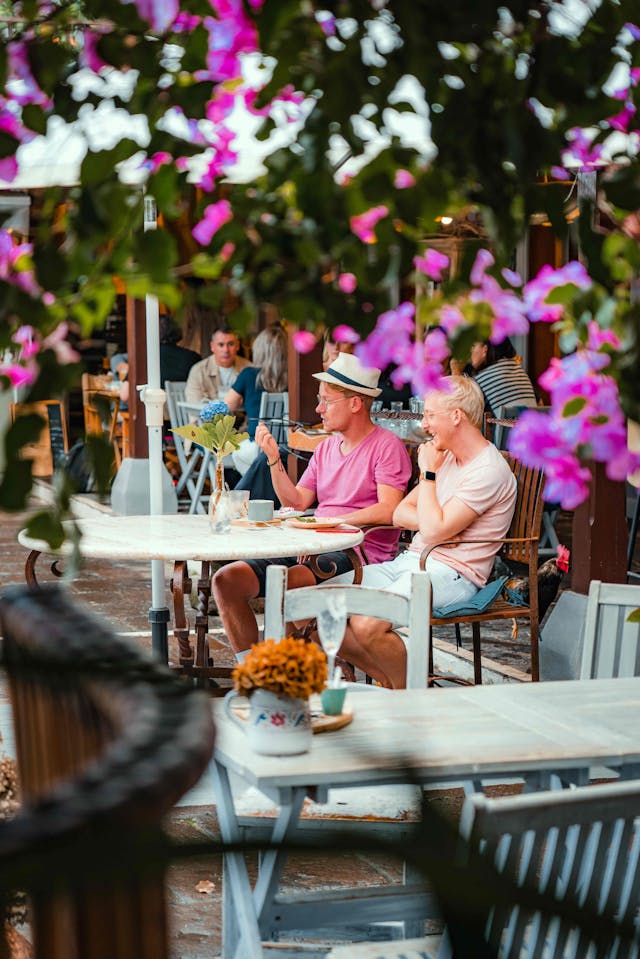
You don’t just arrive and suddenly have a circle. A lot of people spend their first weeks asking where to meet others, looking for groups, trying to build something that feels normal.
It’s not difficult, but it doesn’t happen automatically.
After a few months, you stop comparing it to where you came from.
That’s when it settles.
You’re not thinking about whether it’s better or worse. You’re not noticing the weather in the same way. Sitting outside isn’t something you appreciate every time, it’s just where you sit.
Even the seasons shift how it feels.
Summer can feel busy, sometimes too busy. That’s when some people start to question whether they chose the right area.
That’s when routines settle properly, when places are quieter, when you start recognising people and not just places. That’s when you hear things like it’s easier to connect with locals and actually feel part of the area. The Spanish are some of the friendliest and most helpful people I’ve ever encountered, everyday strangers say hello to you, you get to know them even if you can’t speak the language.
At that point it stops feeling like somewhere you came to.
It just feels like where you are.
This doesn’t suit everyone.
People who need constant variation tend to struggle. People who rely on everything being close and fast can find it frustrating. And there’s a very clear distinction that comes up, especially from European buyers, about wanting a real place to live rather than somewhere that only works in peak season.
That decision matters more than people expect.
Because once the novelty fades, what you’re left with isn’t a holiday.
It’s a life that either fits how you naturally live, or it doesn’t.
And the surprising part is this.
It’s not better because it feels exciting.
It’s better because it works.